
It was important to me to represent Perioperative anesthetic nurses contribution to reducing harm surrounding the use of opioids.
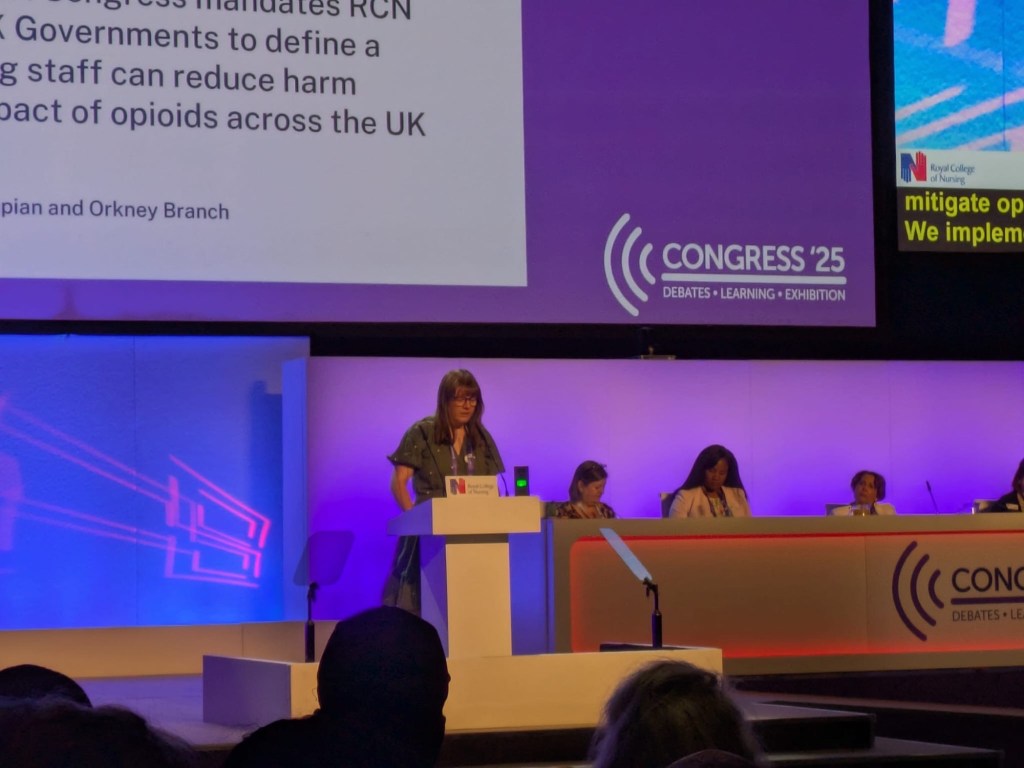
I stand before you from a periopertive anesthetic nurses perspective on this emergency item.
“That’s this meeting of RCN Congress discusses the impact of synthetic opiates and how nursing staff can reduce harm associated with these.”
There is a balance and research that shows us that post operative pain is largely undertreated, especially in women.
Reducing opioid use in patients can be very difficult to manage it can be particularly challenging for theatre nurses as we use them routinely during anesthetics. Here are several strategies that theatre nurses implement to help mitigate opioid dependence and promote safer pain management:
- Implement Multimodal Pain Management:
- Using a combination of non-opioid analgesics such as NSAIDs, non-opioid analgesics medicines , and local anesthetics to reduce reliance on opioids.
- Incorporate non-pharmacological methods like ice, elevation, and relaxation techniques when appropriate.
- Preoperative Patient Education:
- Inform patients about pain management plans and set realistic expectations regarding postoperative pain.
- Discuss the risks of opioid use and the importance of minimizing their consumption.
- promote Optimize Intraoperative Techniques:
- Collaborate with anesthesiologists to employ regional anesthesia or nerve blocks, which can provide effective pain control and reduce opioid requirements.
- Use local infiltration of anesthetics during surgery.
- Postoperative Monitoring and Assessment:
- Regularly assess pain levels using standardized tools to tailor pain management plans.
- Identify patients exhibiting signs of opioid overuse or dependence early.
- Promote Early Mobilization and Non-Pharmacological Interventions:
- Encourage early movement and physical therapy to aid recovery.
- Utilize techniques such as guided imagery, relaxation, and distraction to complement pharmacological pain relief.
- Develop and Follow Protocols for Opioid Stewardship:
- Adhere to institutional guidelines aimed at minimizing opioid exposure.
- Document all analgesic use thoroughly and review it regularly.
- Coordinate with Multidisciplinary Teams:
- Work with pain management specialists, pharmacists, and psychologists to develop comprehensive care plans for difficult patients.
- Address Psychological Factors:
- Recognise and manage anxiety, depression, or other psychological issues that may contribute to opioid misuse.
- Refer patients to appropriate counseling or support services when necessary.
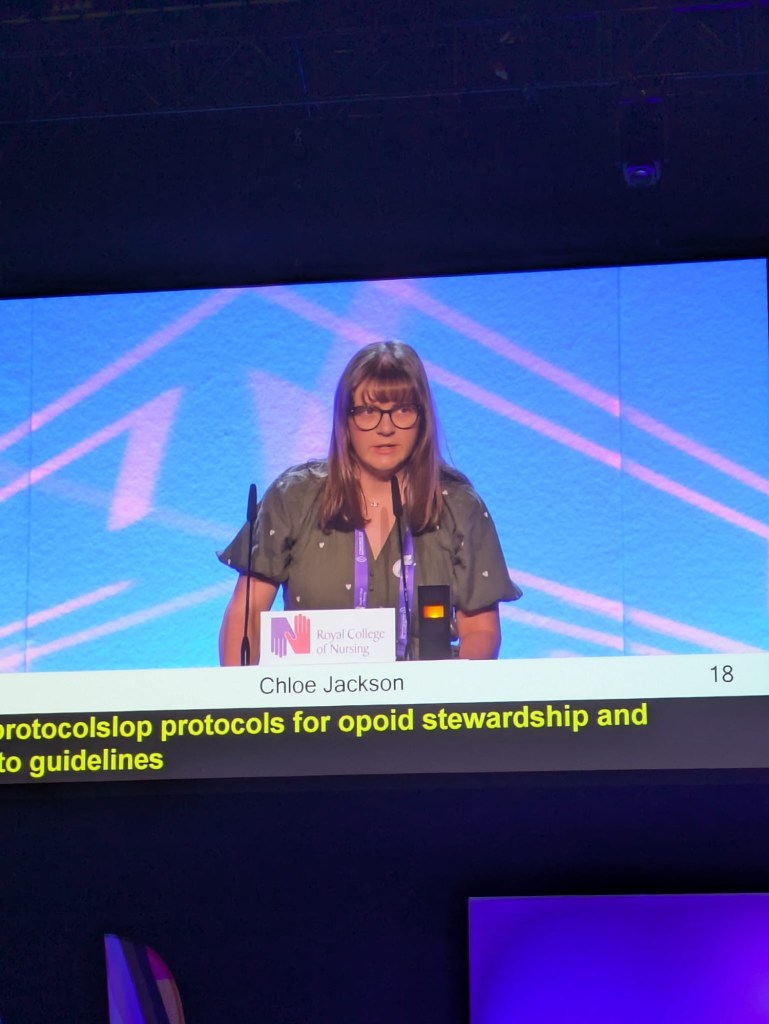
By applying these strategies, theatre nurses can play a vital role in reducing opioid dependence among challenging patients, enhancing recovery, and promoting safer postoperative care.
 Chlo Jack On Her Mac