Hello hello!
I should have written this blog at the end of August when I finished, but it’s been mad busy since I finished my very last placement!
I am 3 months into being a newly registered nurse and soon to graduate but wanted to share the experience of my final placement. It was an absolutely fantastic placement. I enjoyed it so much that I put theatres first on my choices and I love it!
It’s a specialty I absolutely did not expected to go in to or enjoy as much but I’m so glad I have!
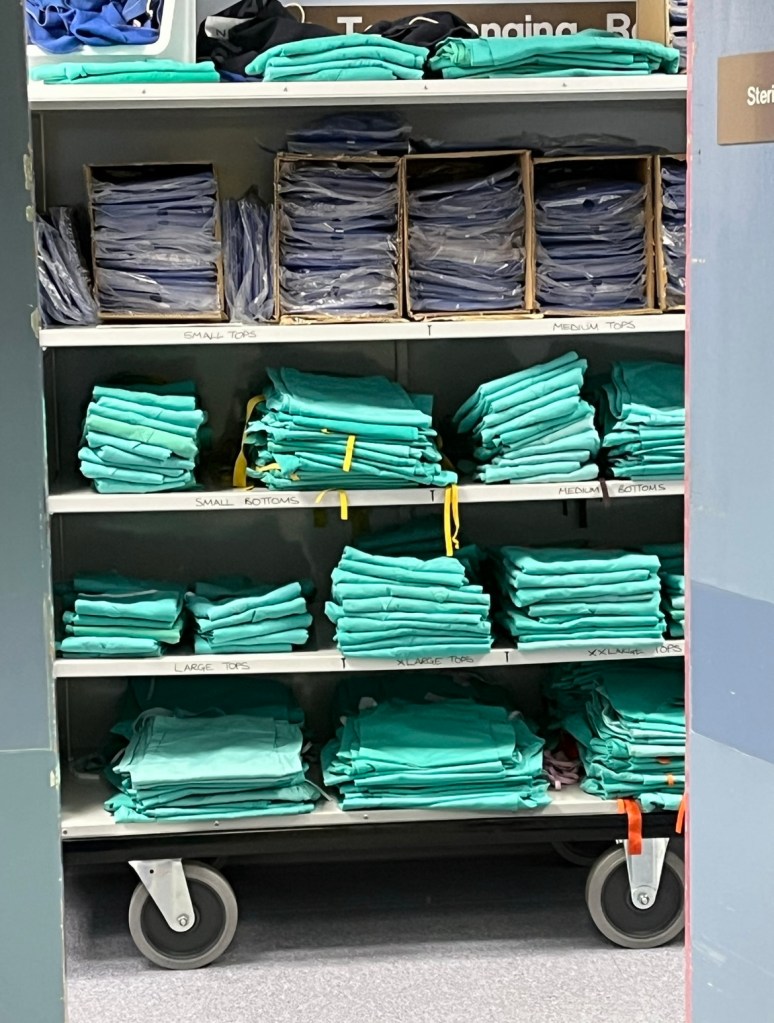
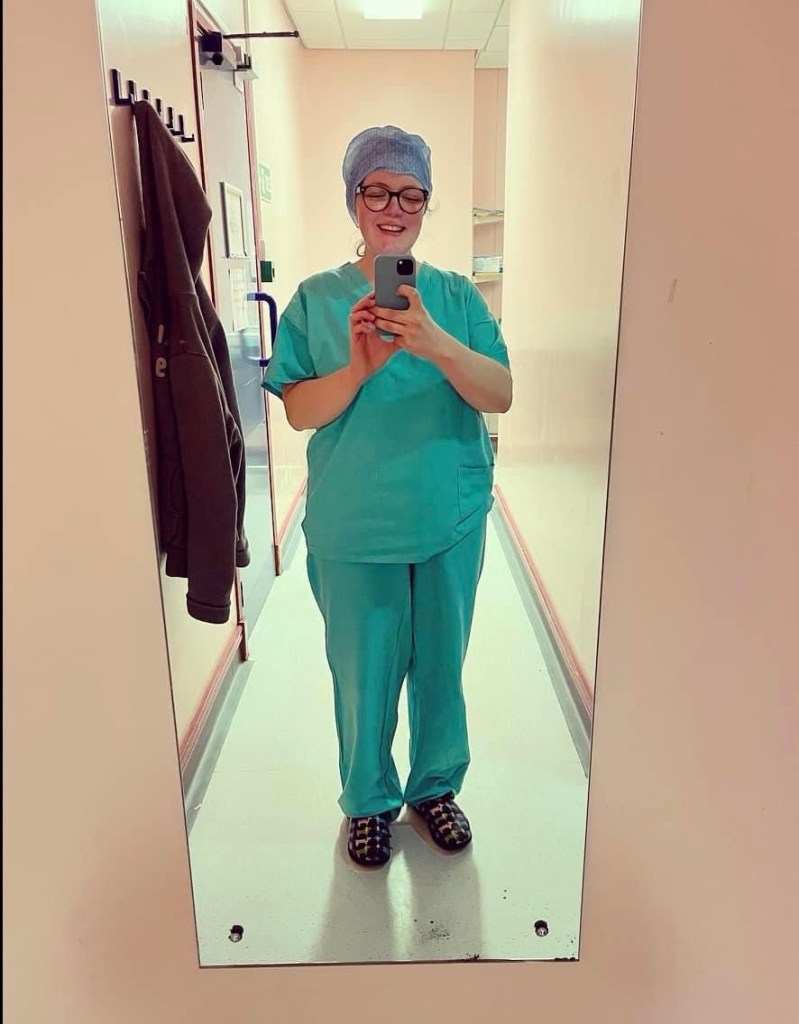
I love the scrubs they are so comfy if you get a fitting set! This is often a hit or a miss 🤣
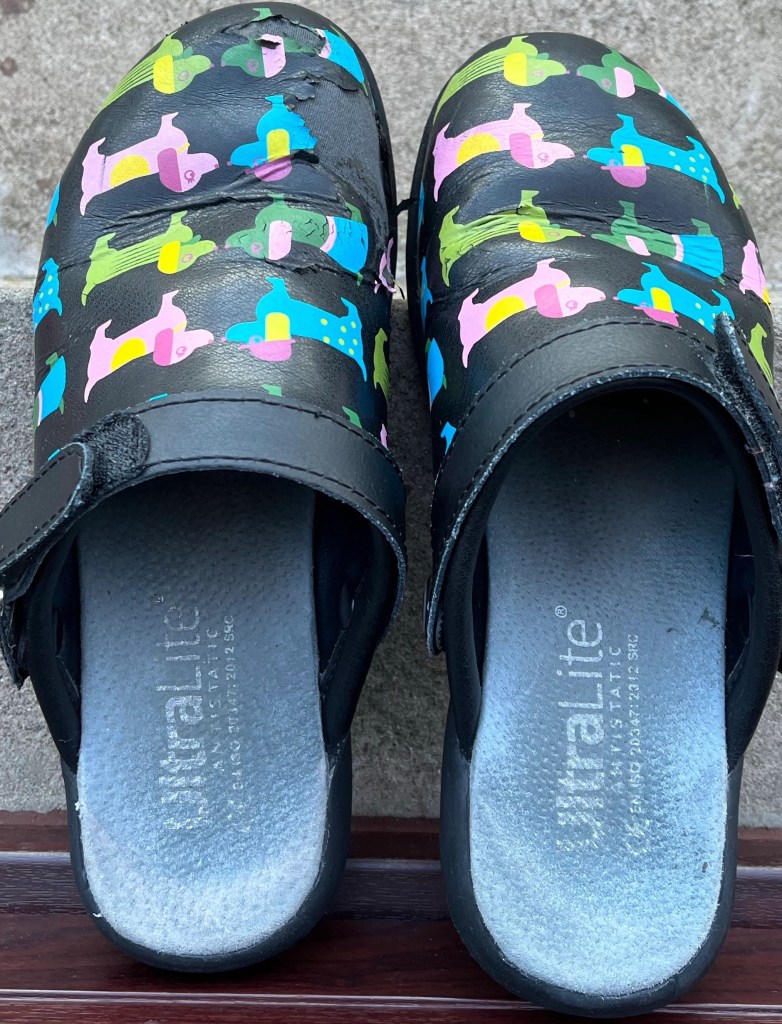
I also have to thank my shoe hero too who let me their theatre shoes!
When I first found out I was going to theatres I was pretty nervous as I had heard that because it is an area that is so specialized it often limits what the student nurse can participate in and because my ADHD brain needs to be active I wondered how I was going to be able to stand still for so long, but this idea was totally inaccurate I felt apart of the team and was actively involved in rather a lot actually! I loved this placement- in fact I reckon it’s probably my favorite one!
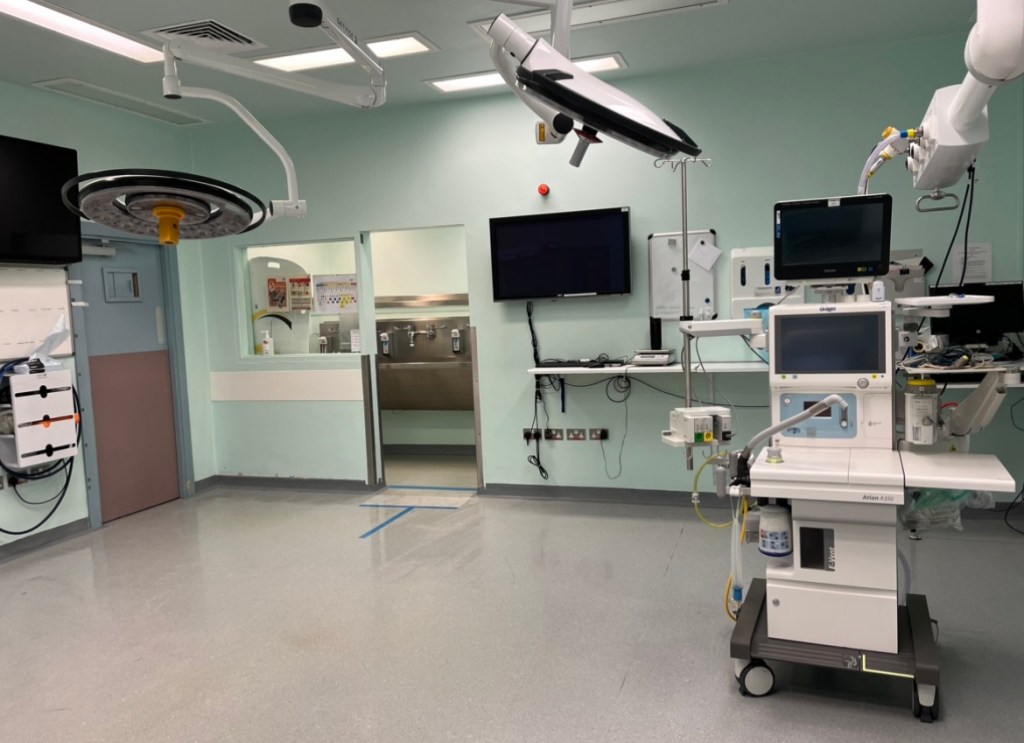
So what was it like and what did I get involved with?
So in theatres there are 3 main job categories Circulating, scrubbing and Anesthetic assistant.
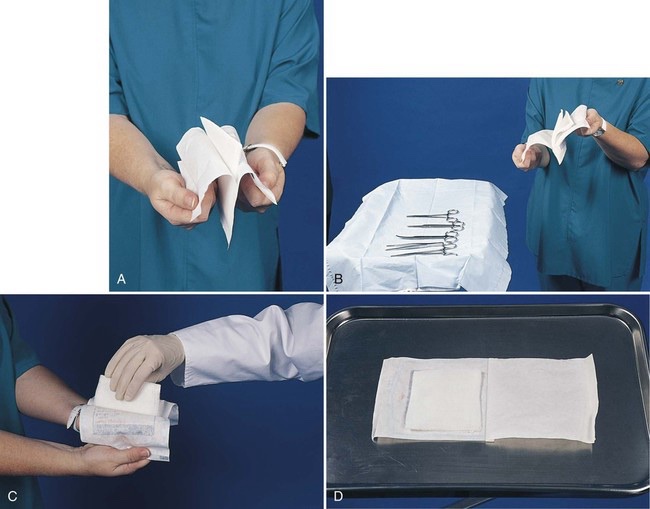
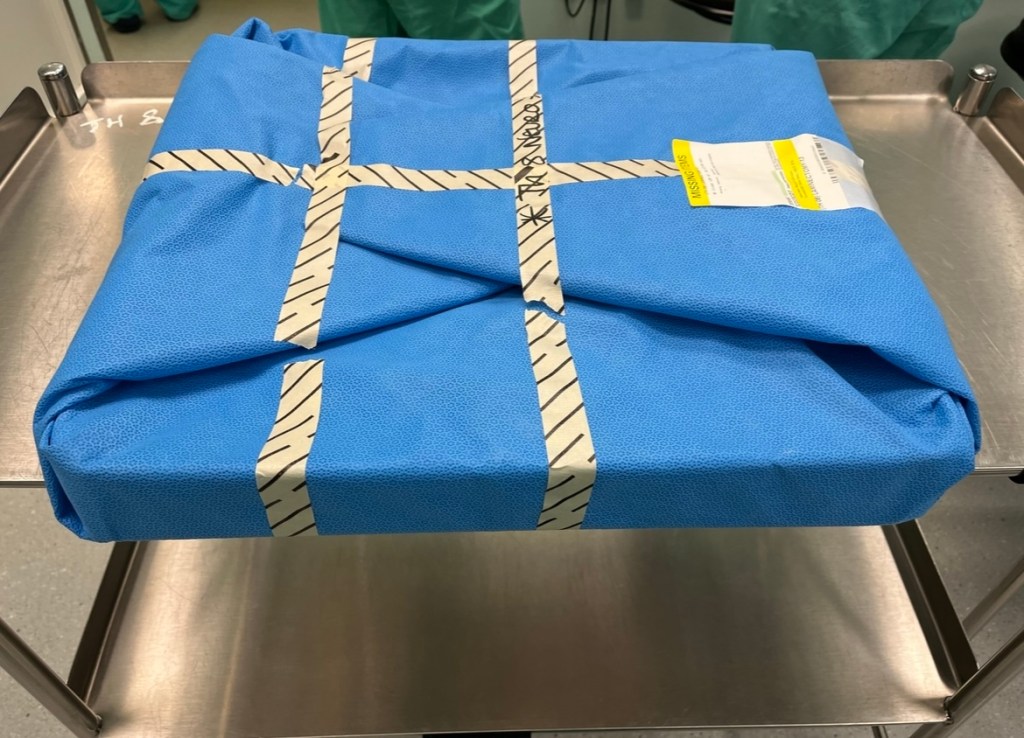
So a circulating nurse assists the scrub nurse outside the sterile field. They do the instruments, swabs and sharp counts with the scrub nurse and accurately document on the white board. They carefully open the packets onto the scrub trolley in a sterile manner and open the crates in a sterile manner.
They fetch the saline solution when asked from the warming cupboard. They do swab counts when asked to hand off. They actively advocate for the patient at all times. They are involved in the WHO checks. Which you can read about by clicking. The who check is essentially an important Surgical Safety Checklist used around the globe. Teamwork and effective communication are key when using the WHO checklist. I enjoyed circulating it kept me busy and engaged.
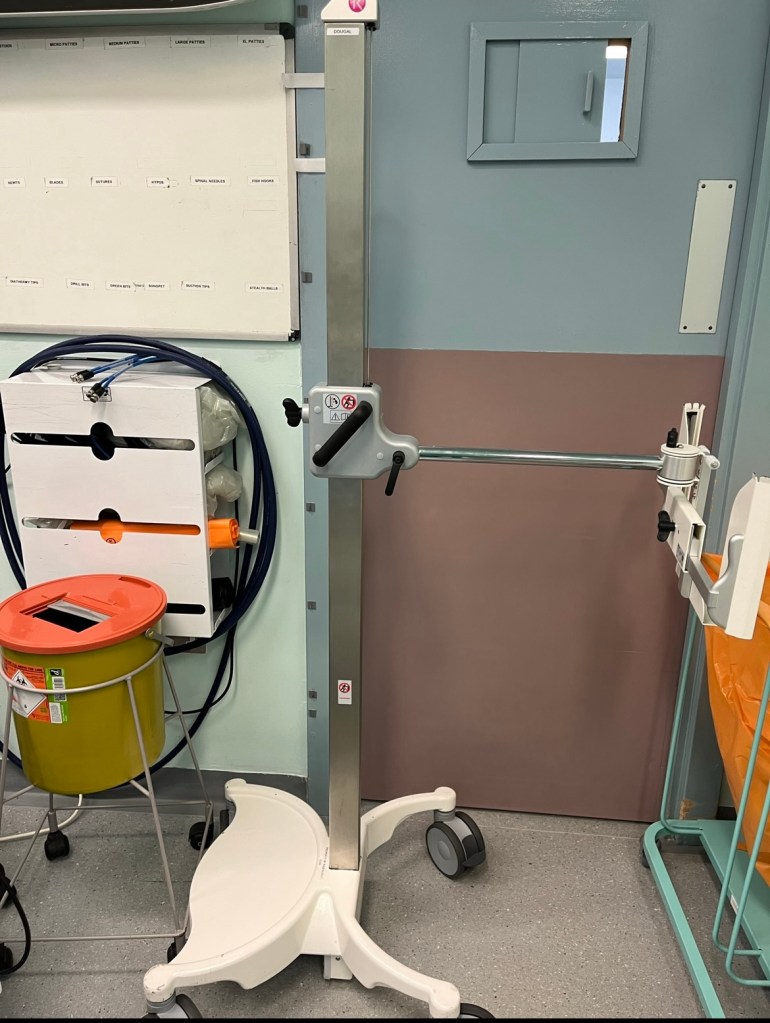
This is Dougal the x-ray holder 😀
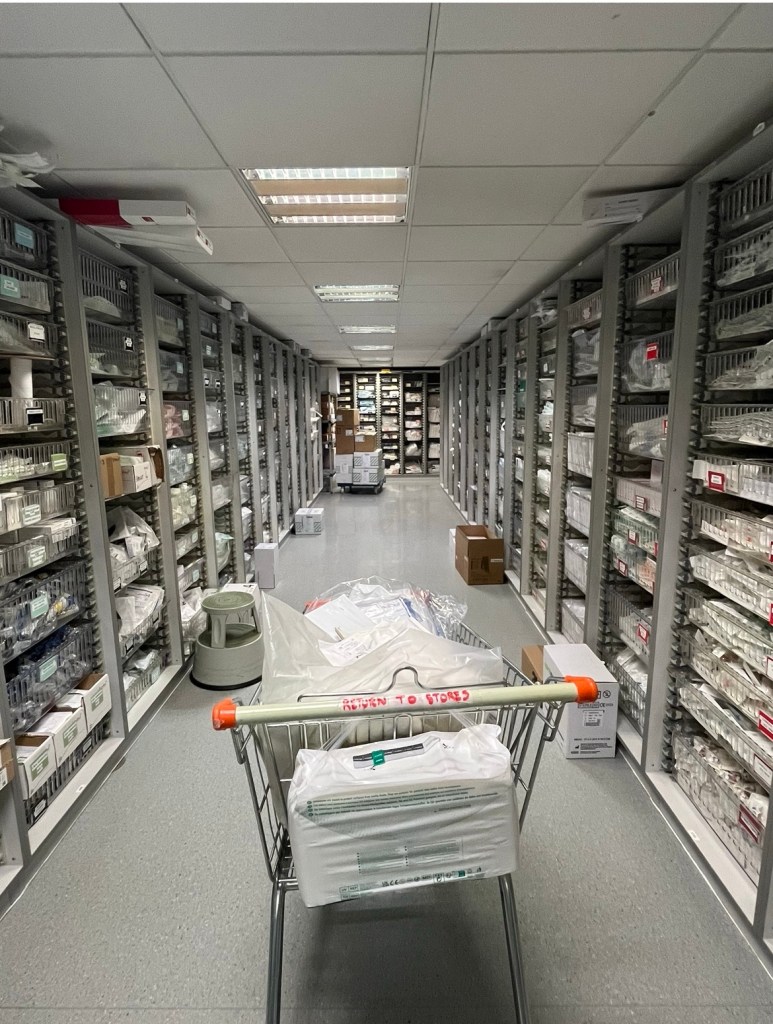
I did the stock up at the “shop” (store room) regularly. It was hard to find everything to begin with luckily the shop boys were there to help 😀
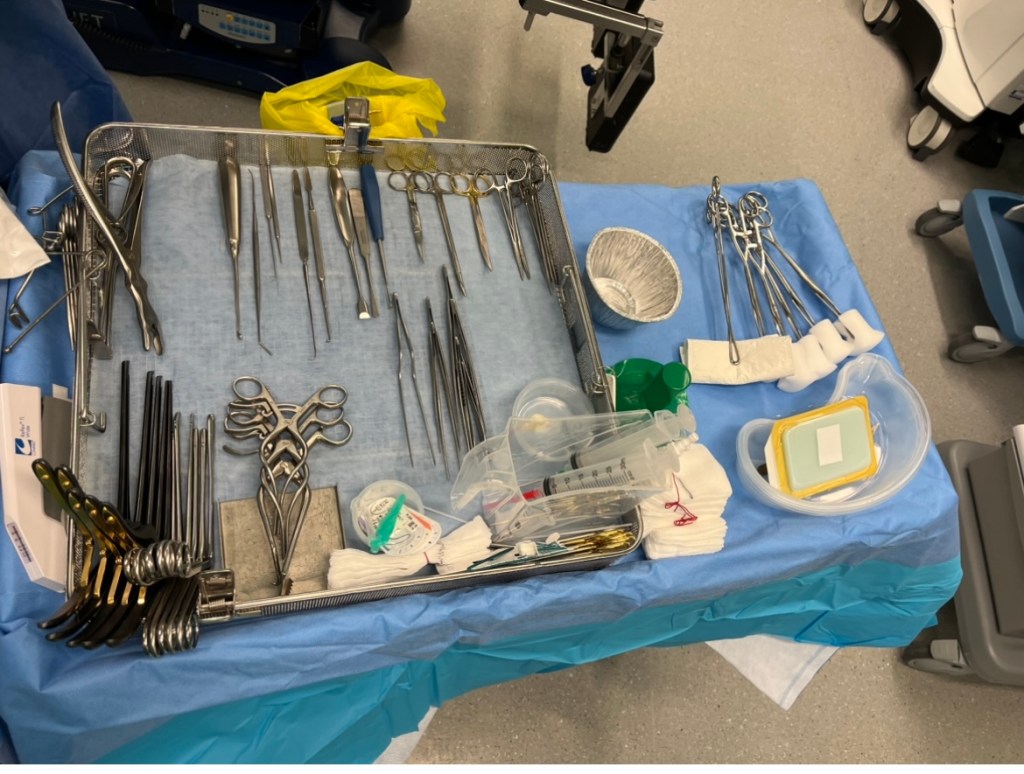
Scrub nurse is responsible for keeping themselves sterile and the contents of their trolley sterile, passing the surgeon the instruments and items they need over in a safe manner. The scrub nurse set up their trolley with the help of the circulating team. They must follow the scrub procedure and wear the scrub attire before working with any sterile items. I loved double scrubbing in for cases. See below a video that explains the scrub process. I was pleased to be able to learn the instruments of the laminectomy tray.
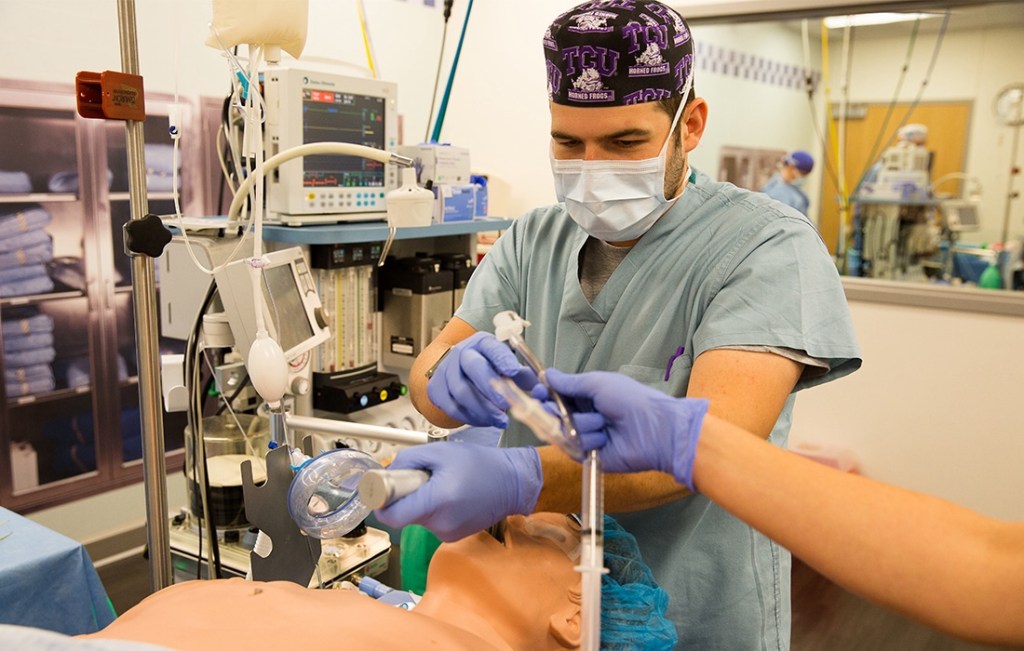
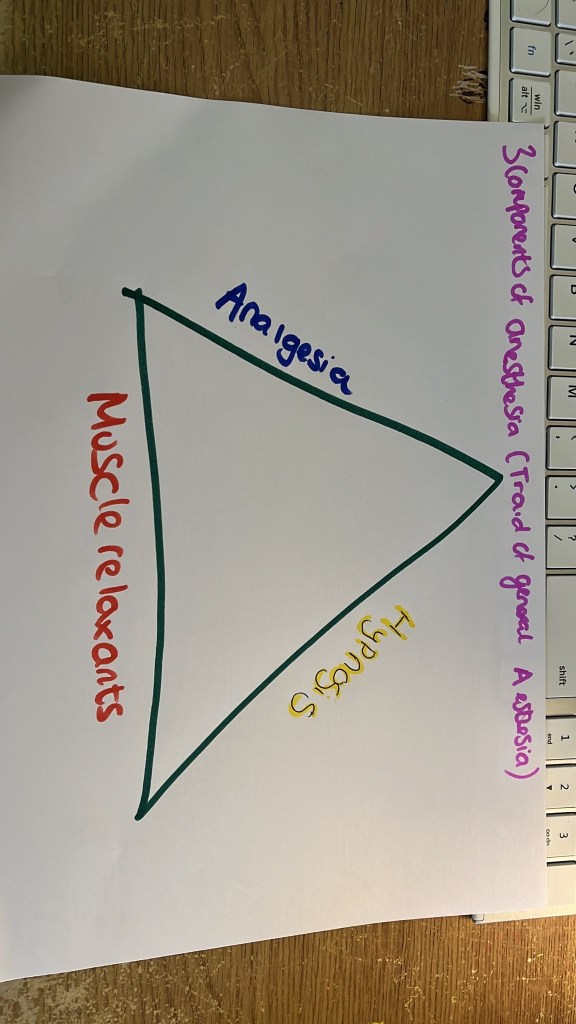
Anesthetic nurse is responsible for assisting the anesthetist during intubation and extubation. Preparing the necessary equipment anesthetic machine and all the tubing, preparing the ETT Tube ( doing cuff safety checks), preparing the anesthetists chosen laryngoscope, prepping airway adjuncts guedel, I-gels, bougie and masks. Preparing warmed fluids, bear hugger, floton boots). Putting the necessary monitoring on the patient. The anesthetic nurse should build trust with the patient when doing their theatre checks and verbal consent. This can be challenging as they have a short space of time to develop a therapeutic relationship. The anesthetic nurse can alleviate concerns by comforting the patient and advocating for them making them feel safe and calm before the anesthesia. They may be involved in assisting with inserting A-lines and doing blood gases. They need to prepare the BIS upon request of the anesthetist. The diathermy must go in a place where there is no mental work. They keep an eye on the patient during the operation and act when required. Students can have the opportunity to learn about anesthetic drugs and learn about awake fibre-optic intubations. It’s worth looking up the triangle of anesthesia. They must have knowledge on crisis management and what to do in an emergency. They also prepare the bed with a glide sheet, Hudson mask, o2 cylinder and a Pat slide and a glide sheet ahead of the operation being completed. (I had the opportunity to practice a lot of catheters on this placement which was useful). I didn’t do much of this side, but I am now 😀 It’s a big responsibility!
Who’s in the theatre room team ?
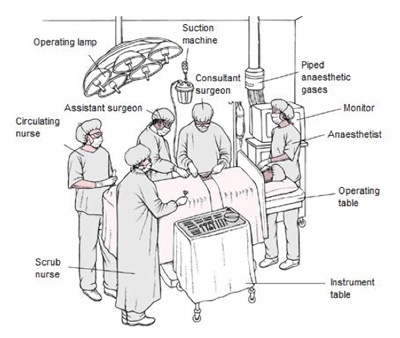
The operating room can be a busy place which is why communication is key. The team do introductions at the brief. (I really like that they do this in fact I think this would be good in all hospital handovers). Then the surgeons and anesthetists do a handover about the patients on the list for that day and what they will need for the cases one by one. The circulating nurse will write down what equipment and machines the surgeon will need for each case and what sutures they will need. They may also mention the preferred patient positioning and this was mentioned regularly during my placement as some patients were required to be prone as apposed to supine to undertake spinal or brain surgery. They may also ask for local anesthetics and antibiotics and will mention the dressing they would like to use. As a student nurse you can listen to what the surgeons might need and offer to source the equipment needed for the case. The anesthetist then goes through information about the patients medical history, medications they are prescribed, (especially blood thinning medications), their anesthetic plan, airway plan and mentioning any anticipated airway difficulties. What ASA the patient is if it’s a general anesthetic case. The majority of cases I saw on this placement were general cases. I only ever saw local cases if we were doing little cases.The anesthetic nurse takes a note of the anesthetists requirements.
What kind of cases can you expect on this placement?
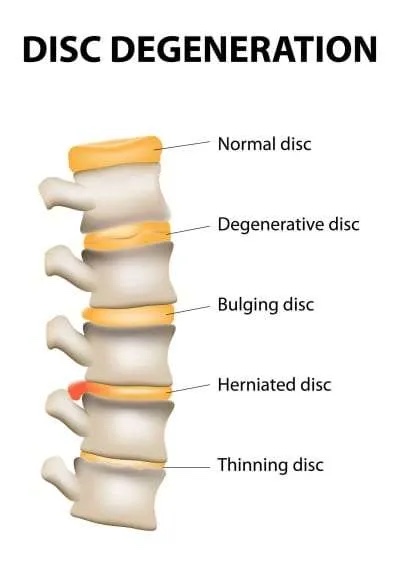
Well mainly brain surgery and spinal surgery. You may have the rare opportunity to observe an awake craniotomy which is incredible. It’s worth doing some research on the following cervical discectomy and microdiscectomy and refreshing your knowledge on the brain anatomy and spinal anatomy. Check out laminectomy cervical and lumber, spinal tumour, spinal fixations, craniotomy, pituitary tumor excision. Look at tumour such as schwannoma, pituitary adenoma,
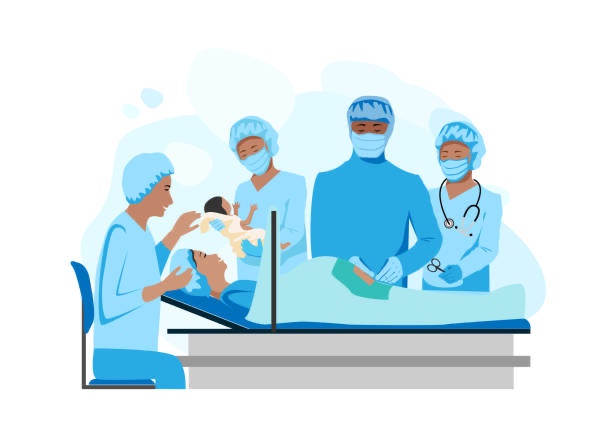
You may have the opportunity to do additional spoke days. I was lucky to have a spoke in recovery, the maternity theatre (I loved this spoke so much and was given the opportunity to scrub in and cut the chord, hold a placenta and care for the parents and baby). This was a special experience.
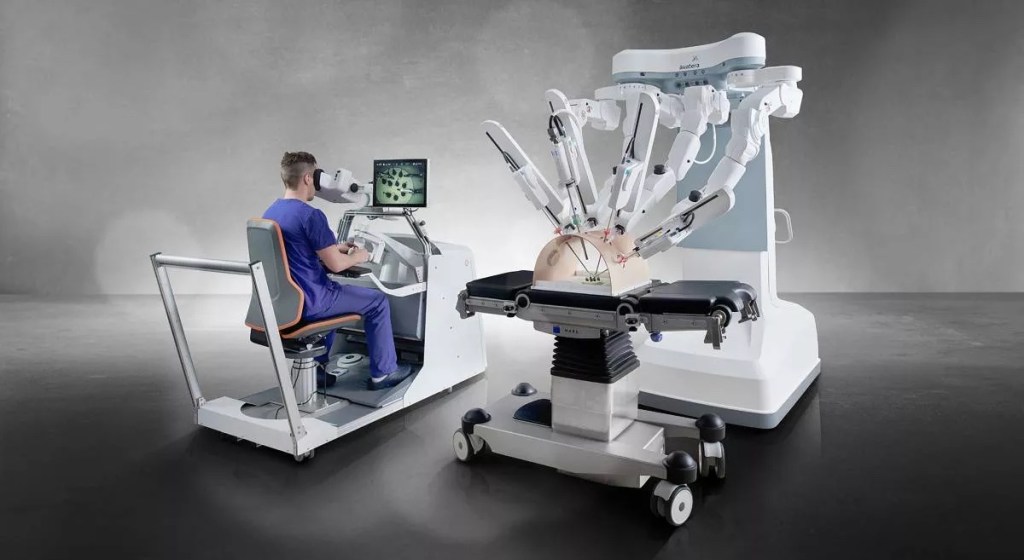
I had the opportunity to go to robotic theatres which was fantastic. They have little console areas they operate the robots.
I went to Kincardine hospital for a couple of ward days which allowed me to have many of my proficiencies and remaining skills signed off. I really enjoyed it there.
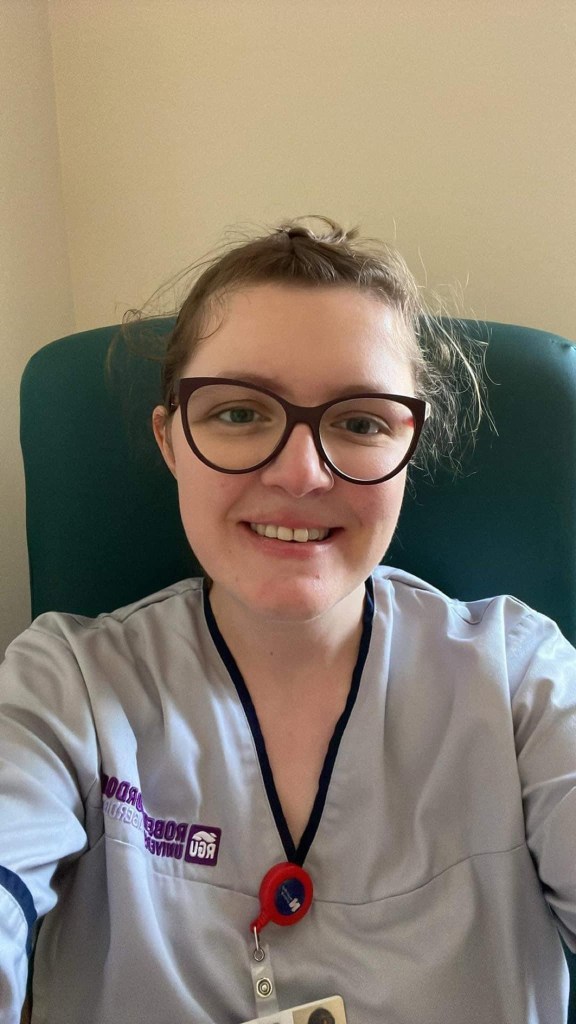
I really loved this placement. I felt part of the team, I got involved and I found that it really worked for my neurodivergent brain because I was able to learn the routine and although this is repetitive there was always something new to learn and exercise my brain. The hours are fantastic too. 8am- 6pm 4 days a week with ever weekend off. This is great for a neurodivergent person- but that chat is for a later blog! Needless to say my mentors were absolutely fantastic. Really supportive and understanding and patient. ☺️
I can’t thank theatre 8 team, and in fact the whole department for welcoming me into their little family. A sense of belonging goes a really long way and equates to increased productivity.
I was very excited to be finished but sad to leave this placement and move to my new home in theatre 10 for my NQN post. I made scones and jam to say thank you to the team so we had a little cream scone tea.
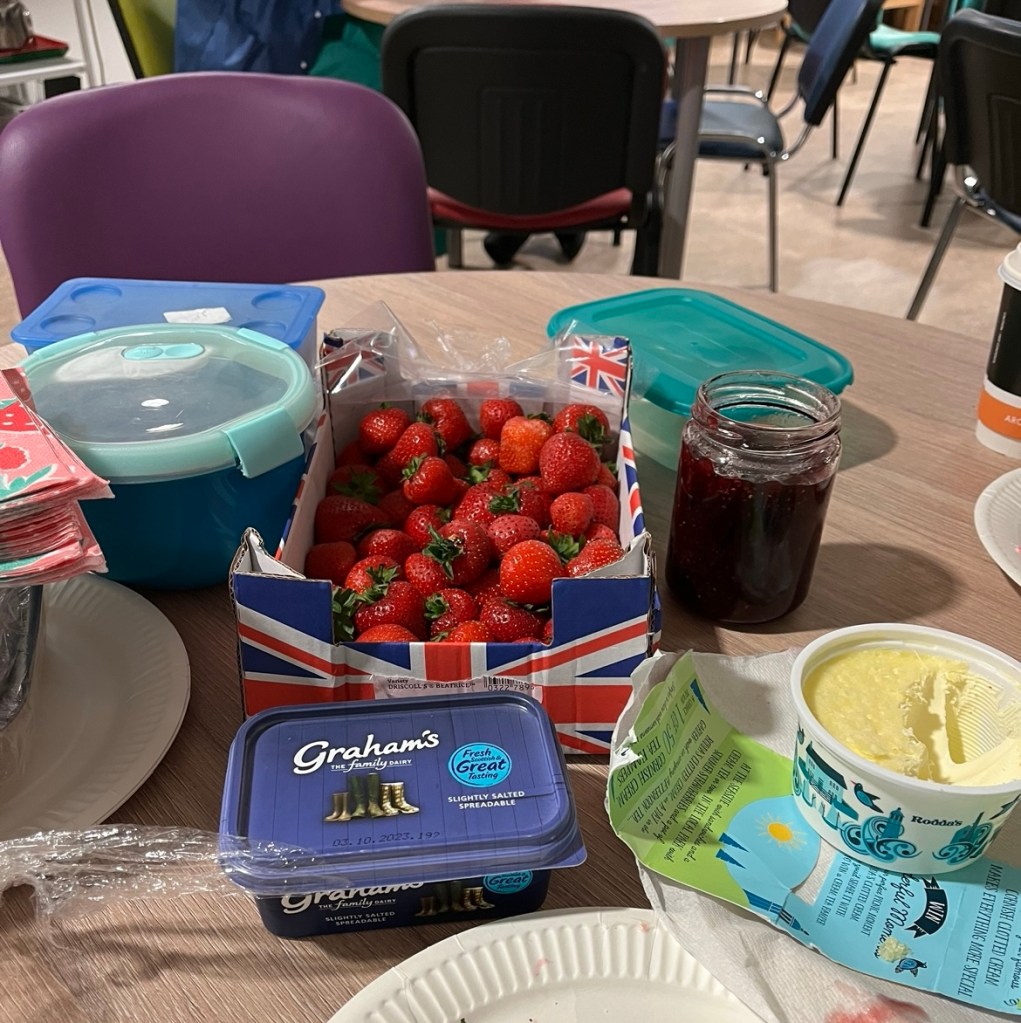
The team gifted me this lovely gift 🎁
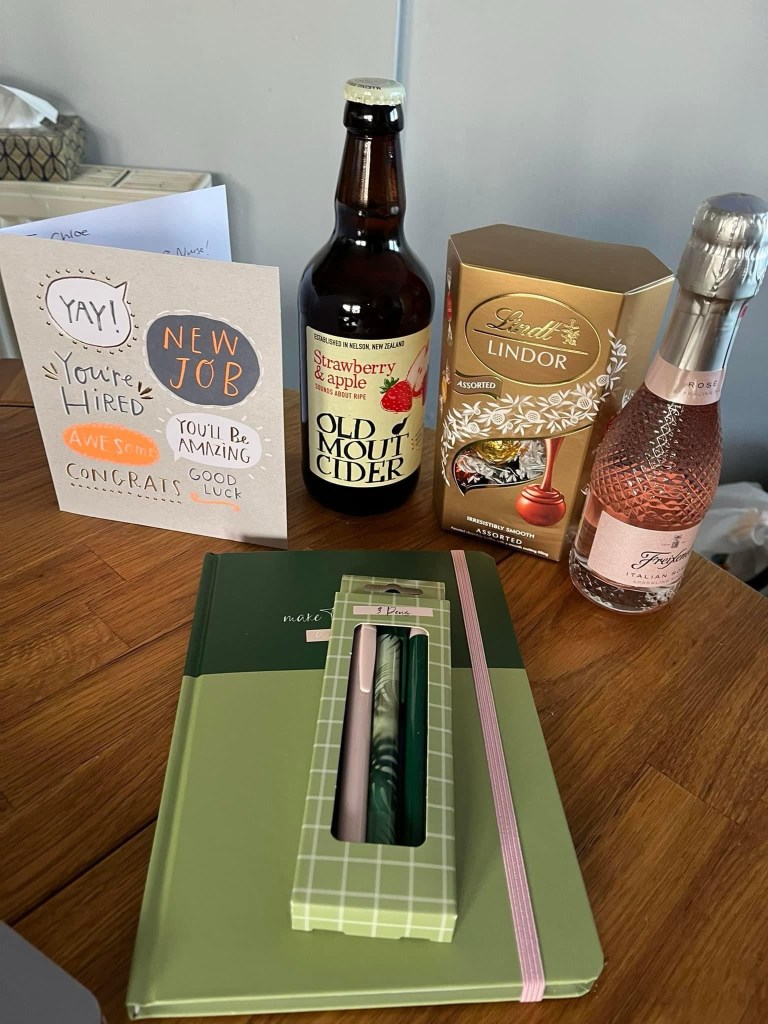
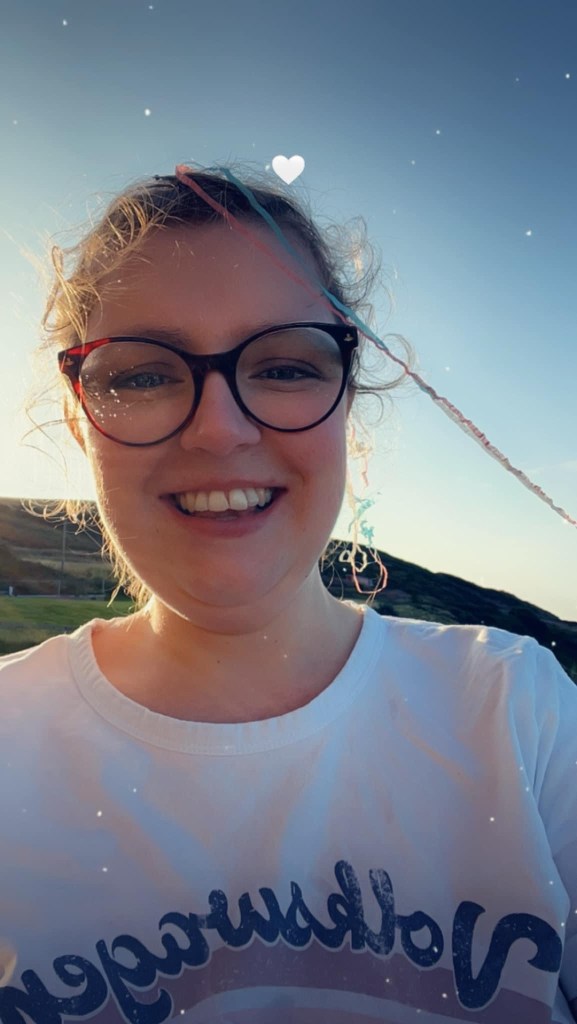
When I got home mum and dad soaked me with soda and part poppers to celebrate. 🎉
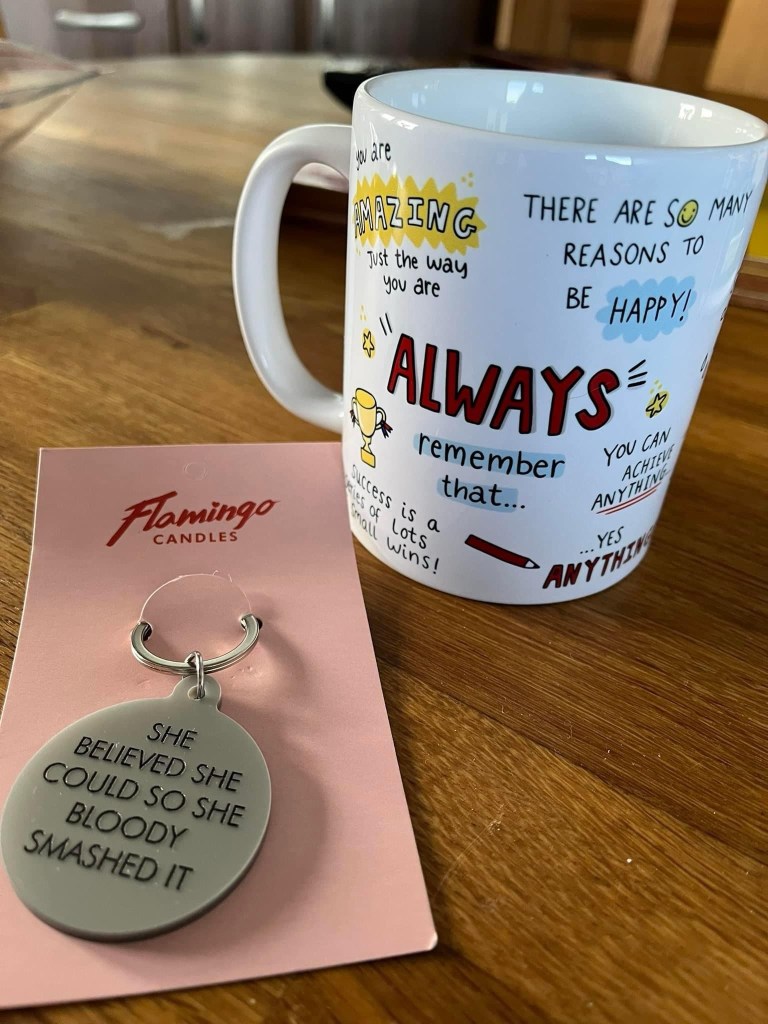
Mum and dad gave me this lovely gift 🎁 They are my rocks 🪨 ♥️🪨♥️
What a journey it’s been! This placement has been a great transition for me from STN to NQN. I will share my student journey in another blog!
 Chlo Jack On Her Mac
Thank you for your blog! I am on my 3rd placement in neuro-theatres, and your tips are helpful! I’m a neuro-spicy one as well, so your words helps my perspective on it too! 🙂
LikeLike
Thank you for your message here! So pleased the tips could be of use to you! All the best with your course 🙂 Happy to chat all things neuo-spicy any time 🙂
LikeLike